
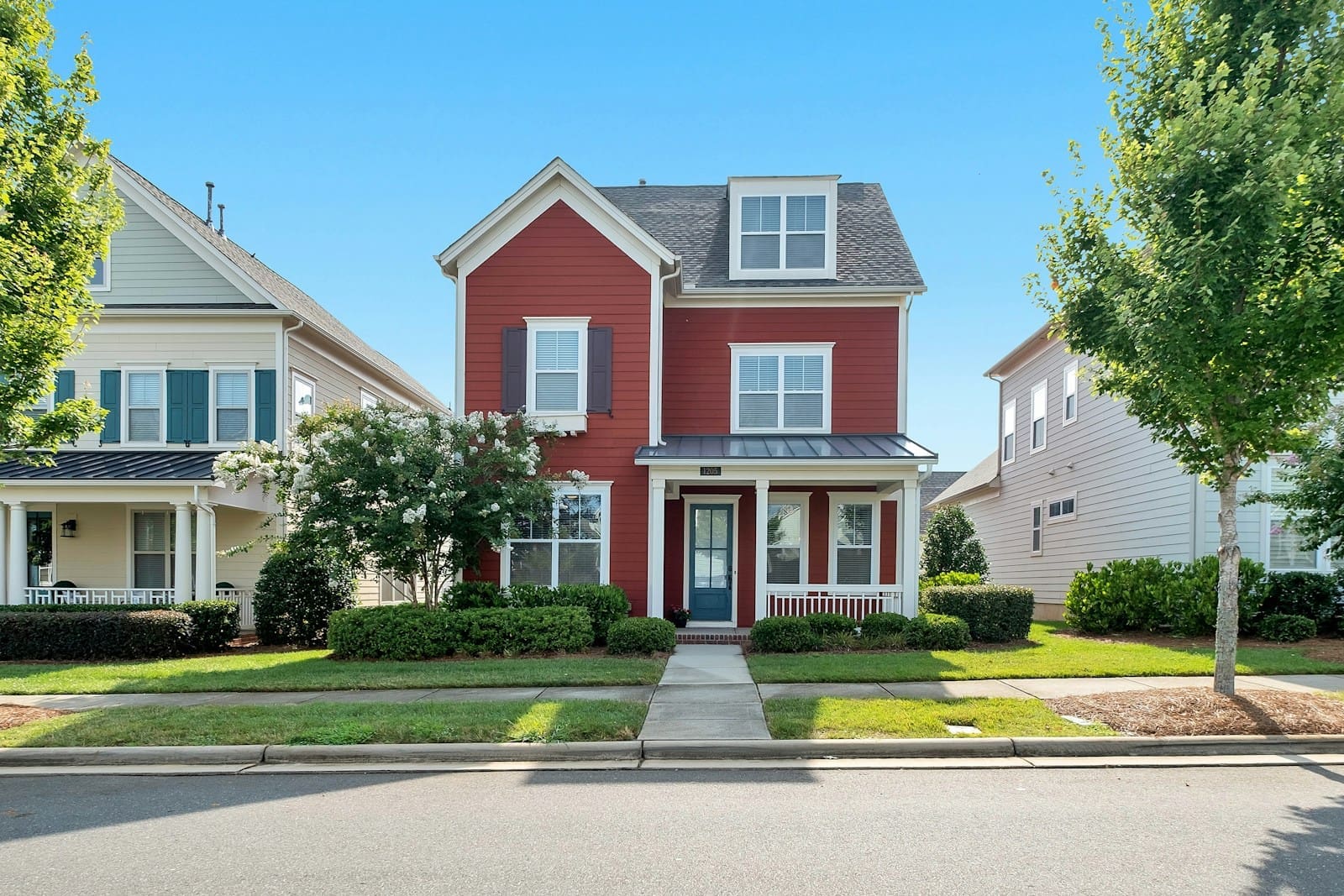
High-net-worth individuals are increasingly choosing rentvesting — renting where they live while investing in property elsewhere — as a strategic alternative to traditional homeownership. This approach offers unique advantages, from preserving capital for higher-return opportunities to gaining exposure to multiple markets without the constraints of owner-occupancy. Industry experts share seven key financial and lifestyle benefits that make rentvesting an attractive option for sophisticated investors.
Content
Skip Luxury Upkeep and Conserve Cash
One clear advantage is avoiding the ongoing maintenance burden of a high-end primary residence. In my work with clients, it’s apparent that features like pools, high ceilings, and exotic landscaping often became financial liabilities due to heating, cleaning, seasonal upkeep, and specialized contractor costs. Renting sidesteps those costs and stress, allowing more capital to stay invested elsewhere
Erin Friez, COO, Digital Ascension Group
Target Dubai Yields and Accelerate Returns
For high net worth individuals in 2026, one good thing about rentvesting in Dubai is that you can use your money in smarter ways instead of locking it all into one property. As of now, average rental yields in Dubai are around 6.7 to 6.9 percent, but some areas do better like, for example, Dubai Investment Park gives around 9.4 percent, International City about 9.1 percent, and Jumeirah Village Circle or Discovery Gardens usually gives around 7 to 8.5 percent rental yields.
I’ve been working in Dubai real estate for over 13 years, and I tell my clients to rent their main property and put their money into properties that earn more. This way, they can make income from their investments while still living where they want. Buying a home outright often ties up a lot of cash in one place with smaller returns, but rentvesting gives flexibility and lets your money work harder right away.
Omer Ali, Founder & CEO, Parklane Homes
Keep Capital at Work in Cash-Flow Assets
One financial advantage of rentvesting is that it keeps your capital working for you. Instead of tying money up in a primary residence, you can deploy that capital into rental properties and maximize cash flow, such as renting by the room to students in college hubs. The surplus cash flow can then be reinvested into additional real estate, creating a compounding loop that traditional homeownership rarely allows. This is exactly how I built a seven-figure real estate portfolio and retired by age 31.
Ryan Chaw, Founder and Real Estate Investor, Newbie Real Estate Investing
Retain Options and Make Money Productive
For high net worth individuals, rentvesting gives one big advantage. Control over cash without locking life into one decision. Buying a primary home ties up a serious amount of capital. It feels safe, but that money sits inside one asset and moves slowly. Renting keeps capital free. Free to move. Free to invest. Free to respond when opportunities show up.
I see this a lot with founders and senior leaders I work with. They rent a home that fits their life right now. Close to work. Close to schools. Close to where time actually gets spent. Meanwhile, capital stays deployed in businesses, funds, or markets that compound faster than residential real estate ever will.
There is a lifestyle angle people underestimate. Careers at this level change quickly. Board roles shift. Cities change. Priorities evolve. Renting makes those transitions lighter. Fewer emotional decisions. Cleaner moves. No pressure to buy or sell at the wrong point in a cycle.
From a finance lens, the math stays simple. When capital works harder elsewhere and flexibility stays intact, overall wealth grows with less friction. Rentvesting only works when investments stay disciplined and reviewed regularly, like a core portfolio. For people with real capital, the real advantage is choice. Choice on where to live today. Choice on where money compounds tomorrow. That balance brings both financial strength and peace of mind.
Abhinav Gupta, Founder, Profitjets
Leverage Multiple Markets and Maintain Freedom
The biggest advantage I see is capital flexibility paired with geographic freedom. When you rent where you live and invest your capital in rental properties, you’re not tying up hundreds of thousands of dollars in a primary residence that only appreciates at market rate. Instead, you’re leveraging that capital across multiple income-generating assets.
Here’s what I mean. Let’s say you have $500,000. You could put that into a single primary residence in Boulder, or you could put $100,000 down on five investment properties across different markets. Those five properties are now building equity through tenant payments, generating monthly cash flow, providing tax advantages through depreciation, and appreciating in multiple markets simultaneously.
You also maintain lifestyle flexibility. Maybe you want to live in downtown Boulder near great restaurants and culture, but the investment math works better in Longmont or Erie. Rentvesting lets you live where you want while your capital works harder elsewhere. If your life changes, you’re relocating for work, or you simply want to try a different neighborhood, you’re not dealing with the transaction costs and timing challenges of selling a primary residence.
The properties you own become true investments, not emotional purchases. You’re making decisions based on rental rates, appreciation potential, and cash flow, not on whether you love the kitchen backsplash. And with professional property management, you’re not dealing with the day-to-day operations. Your capital is working for you while you maintain the freedom to live exactly where and how you choose.
That’s the power of treating real estate as the investment it is.
Jennifer Fox, Owner/CEO, Fox Property Management
Preserve Liquidity for Higher-Return Opportunities
One significant advantage of rentvesting for high-net-worth individuals in 2026 is the ability to maintain liquidity and deploy capital into higher-yielding investments rather than tying a large portion of net worth into a single illiquid property. Traditional homeownership often concentrates wealth in a single asset, exposing owners to local market volatility, maintenance costs, and illiquidity that can limit flexibility.
By renting a primary residence, individuals can free up substantial capital to invest in diversified portfolios, private equity, or business opportunities that may offer superior risk-adjusted returns compared with residential real estate. This strategy not only preserves mobility and lifestyle flexibility but also allows for more strategic tax planning and portfolio allocation, ensuring that capital is actively working to generate growth rather than being locked into an asset whose appreciation is uncertain. For high-net-worth investors, the ability to balance lifestyle preferences with dynamic wealth management makes rentvesting a compelling alternative to traditional homeownership.
Andrew Izrailo, Senior Corporate and Fiduciary Manager, Astra Trust
Enter Affordably and Build Equity Faster
Real estate investing is one of the best, most reliable ways to accumulate wealth, but it is a lot more difficult for people to do in certain places compared to others. Buying a home in Seattle is not the same as buying a home in a rural city in Missouri. For a lot of people, they can only afford to buy in cheaper areas; however, they want or have to live in areas that are more expensive. So, by buying and renting out a property in a cheaper area, they are able to break into real estate investing through generating rental income and building home equity. That will help them build their wealth over time.
Seamus Nally, CEO, TurboTenant